The Ultimate Guide to Emergency Exterior Painting After Storm Damage
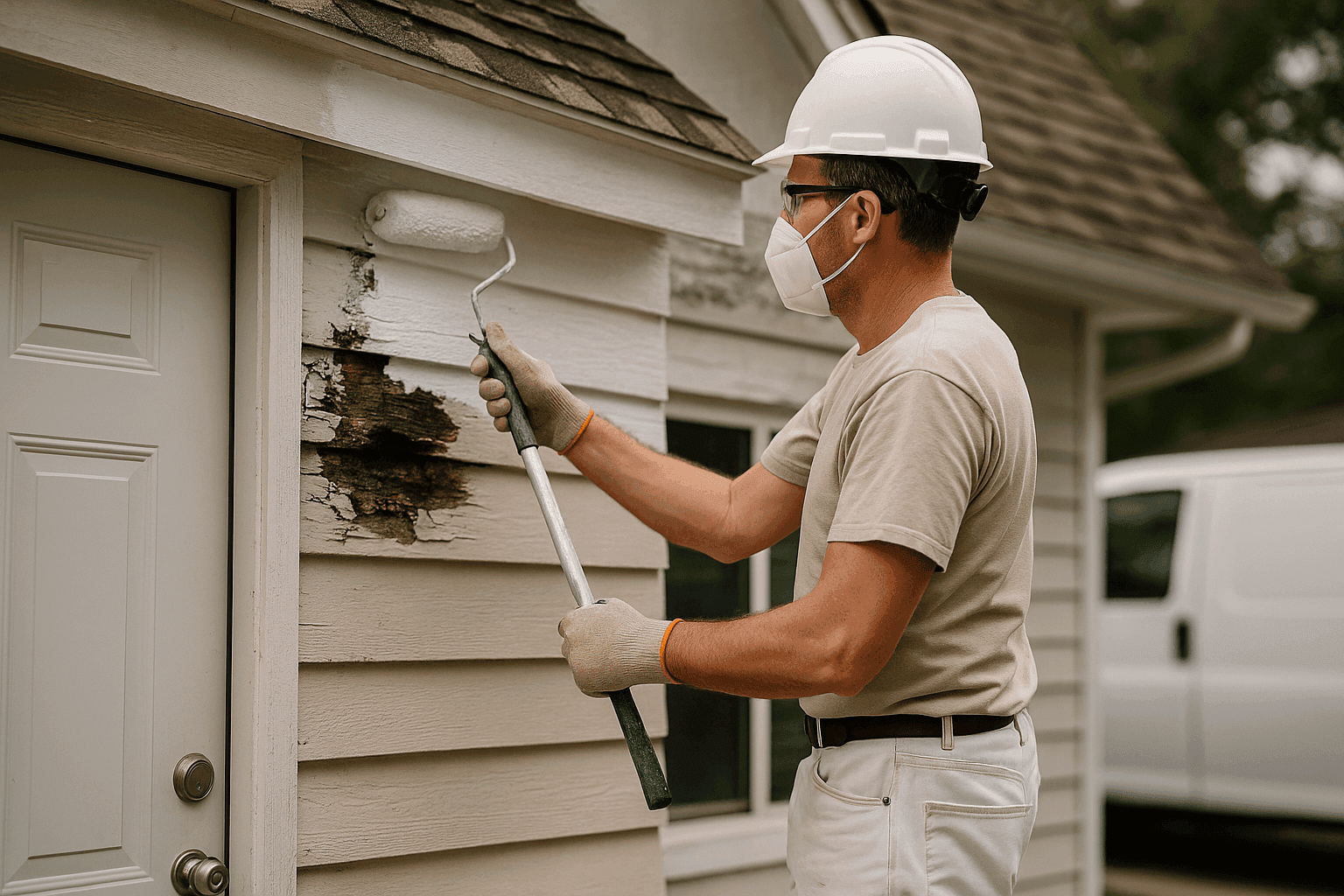
When a storm rolls through, it can leave your home or business looking like it’s been through a battle. Chipped paint, water streaks, and splintered surfaces appear overnight. The damage can feel overwhelming, especially when you know every hour counts to prevent further problems.
At Atak Painting, we understand the stress and urgency that comes with storm damage. Our team specializes in emergency painting and rapid repairs to help you protect your investment and restore curb appeal fast.
What Storm Damage Really Looks Like
Storms are unpredictable. One day your exterior is flawless; the next, you spot:
- Peeling or bubbling paint
- Water stains and streaks
- Cracks in stucco or siding
- Mold or mildew patches
- Exposed wood or metal, now at risk of rust or rot
These aren’t just cosmetic issues. They’re open doors for moisture, pests, and further deterioration. Think of your paint as armor—when it’s breached, what lies beneath is vulnerable.
Quick Safety Checklist Before You Start 🛑
Before you rush outside with a paintbrush, pause. Safety comes first. Here’s what to check:
- Power lines: Never approach downed or sagging wires.
- Structural stability: If walls or supports look warped or cracked, step back and call a pro.
- Water intrusion: Watch for soft spots or leaks—wet surfaces can hide bigger issues.
- Mold or mildew: Wear a mask and gloves if you spot suspicious patches.
- Ladders and tools: Only use stable, undamaged equipment.
For more on safety, the Occupational Safety and Health Administration (OSHA) offers detailed guidelines on working after storms.
DIY Fix or Time to Call a Pro?
Some damage is like a scraped knee—you can clean it up yourself. Other times, it’s more like a broken bone. Here’s how to decide:
Good DIY Candidates
- Small paint chips or scratches
- Minor water marks (after the area dries fully)
- Light surface dirt or debris
Call a Pro When
- Large areas of peeling or bubbling paint
- Deep cracks in stucco or siding
- Signs of mold, rot, or structural damage
- Paint is lead-based (common in older properties)
- You need rapid, weather-resistant results
Remember, emergency painting isn’t just about making things look better. It’s about stopping damage in its tracks.
What Pros Do On Arrival
When Atak Painting arrives, we don’t just slap on a coat of paint. Here’s our step-by-step approach:
1. Full Damage Assessment
We inspect every inch—siding, trim, decks, fences, and more. We look for hidden moisture, soft spots, and compromised surfaces.
2. Surface Preparation
- Cleaning: Power washing removes dirt, algae, and debris.
- Drywall or Stucco Repair: We patch cracks and holes, ensuring a smooth, durable base.
- Sanding and Scraping: Loose paint is removed to create a solid foundation.
- Drying: Surfaces must be completely dry before painting—rushing this step leads to peeling and bubbling.
3. Choosing the Right Paint
We select paints designed for rapid drying and weather resistance. Acrylic latex paints are a favorite for their durability and flexibility. For metal surfaces, we use rust-inhibiting primers and topcoats. Eco-friendly options are available, with low-VOC formulas that are safer for families and pets.
4. Application
Depending on the area, we use brushes, rollers, or sprayers for even coverage. Specialty coatings may be applied for extra protection on decks, fences, or high-traffic areas.
5. Final Inspection
We check for missed spots, touch up edges, and ensure all surfaces are sealed against the elements.
Prevention & Maintenance Tips
Storms are inevitable, but repeat damage doesn’t have to be. Here’s how to keep your property ready:
- Regular Inspections: Walk around your property after every major storm.
- Keep Gutters Clear: Clogged gutters lead to water overflow and paint damage.
- Trim Trees and Bushes: Overhanging limbs can scrape or damage paint.
- Repaint Before It’s Needed: Don’t wait for paint to peel—fresh coats offer better protection.
- Seal Gaps: Use caulk to close cracks around windows, doors, and trim.
A little maintenance now saves a lot of emergency painting later.
Costs & Time Factors
Emergency painting isn’t one-size-fits-all. Costs and timelines depend on:
- Extent of Damage: Small touch-ups are quick; large repairs take longer.
- Surface Type: Stucco, wood, metal, and concrete all require different prep and products.
- Weather Conditions: Rain, humidity, or cold can slow drying times.
- Access: Hard-to-reach areas may need special equipment.
On average, minor repairs can be completed in a day or two, while major restoration might stretch to a week or more. Materials, labor, and urgency all play a role in the final cost.
When It’s Truly an Emergency
Not all storm damage is urgent, but these situations call for immediate action:
- Exposed wood or metal: Risk of rot or rust increases by the hour.
- Significant water intrusion: Can lead to mold, mildew, and structural issues.
- Peeling paint on high-traffic areas: Safety hazards and rapid deterioration.
- Lead-based paint exposure: Health risk, especially for children and pets.
If you’re unsure, err on the side of caution—delaying repairs can multiply costs and headaches.
FAQ: Emergency Exterior Painting
How soon after a storm can I paint?
Wait until surfaces are fully dry. This could be several hours to several days, depending on humidity and temperature. Painting too soon traps moisture, leading to bubbles and peeling.
What type of paint is best for emergency repairs?
Look for exterior acrylic latex paints with fast-drying formulas. For metal, use rust-inhibiting primers. Always choose products rated for your climate.
Can I paint over mold or mildew?
No. Mold and mildew must be completely removed before painting. Use a fungicidal wash and let the area dry fully. The U.S. Environmental Protection Agency (EPA) provides guidance on safe mold removal.
Do I need a permit for emergency painting?
Usually, painting doesn’t require a permit. However, repairs involving structural elements or lead paint removal may have regulations. Check with your local building authority or review International Residential Code (IRC) guidelines.
Special Considerations for Emergency Painting
- Seasonal Challenges: Winter freezes and heavy rains can delay work. Schedule painting for dry, mild days whenever possible.
- Eco-Friendly Options: Low-VOC and water-based paints are available for urgent repairs, reducing fumes and environmental impact.
- Safety for All: If you suspect lead paint or extensive mold, professional containment and removal are essential for health and compliance.
Every storm is different. Every property is unique. Atak Painting brings years of experience, the right tools, and a steady hand—so your home or business is protected, fast.
Call Atak Painting now — or reach us anytime at 888-893-2528 .